Just finished up my weekly observational study at the diner, and I kind of ran out of things I wanted to draw on the table.
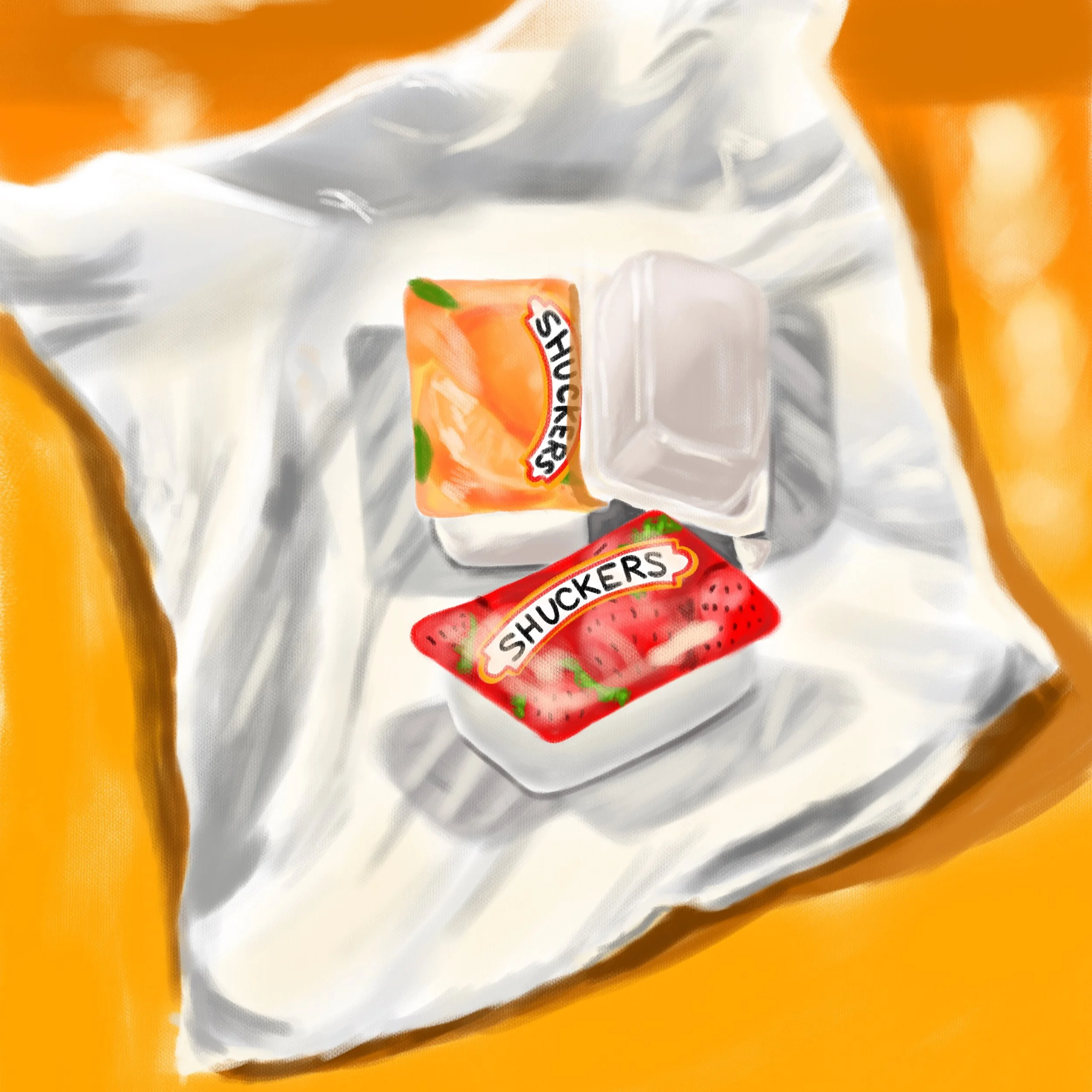
I had drawn a coffee cup, a sugar dispenser, some packets of jelly. I started thinking, Well, what more of the condiments can I draw? What’s going to be fun?
So I realized maybe it was time to start bringing some of my own props.
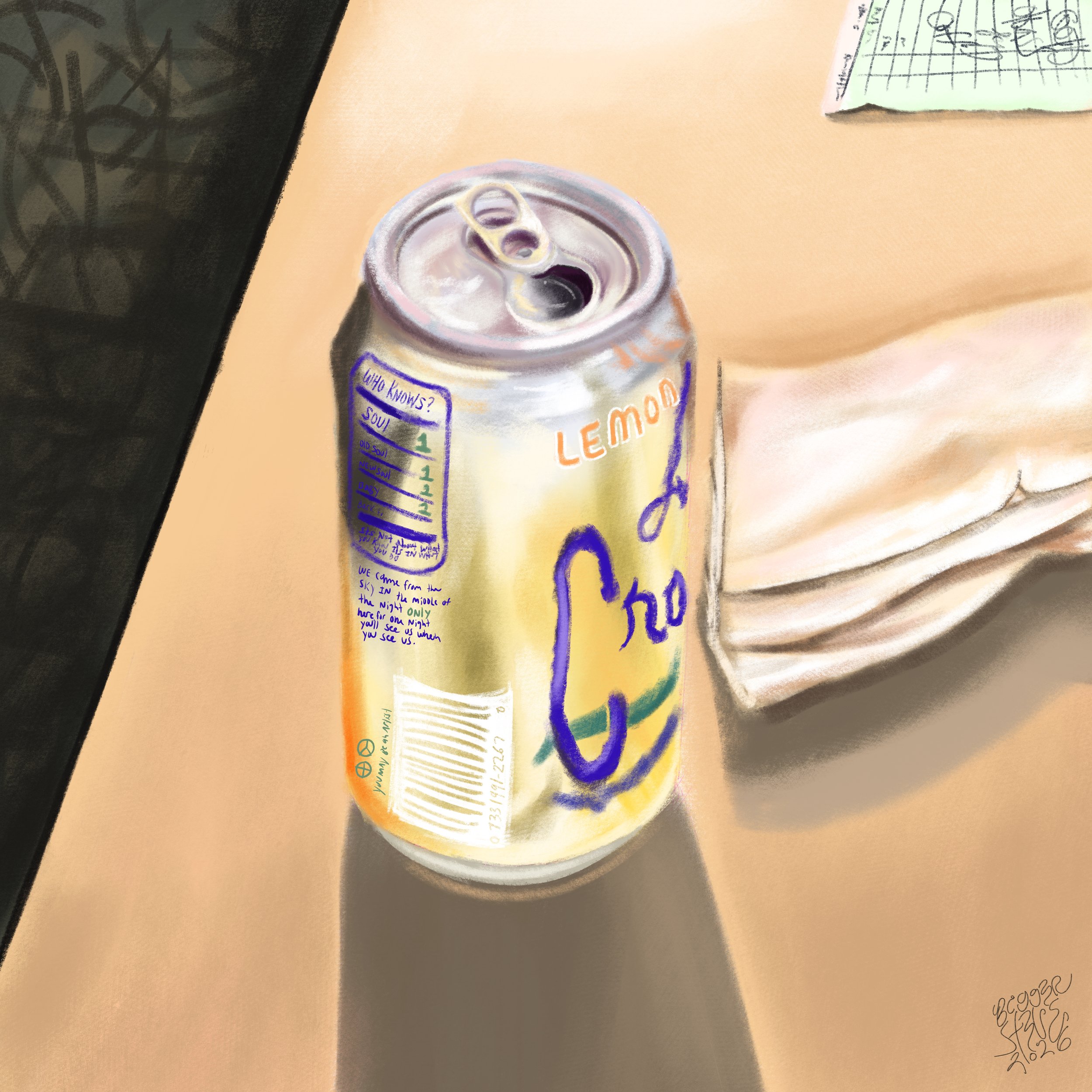
I was a little nervous about it. I didn’t want them to get on me for bringing something into the diner, but I decided to bring a LaCroix can.
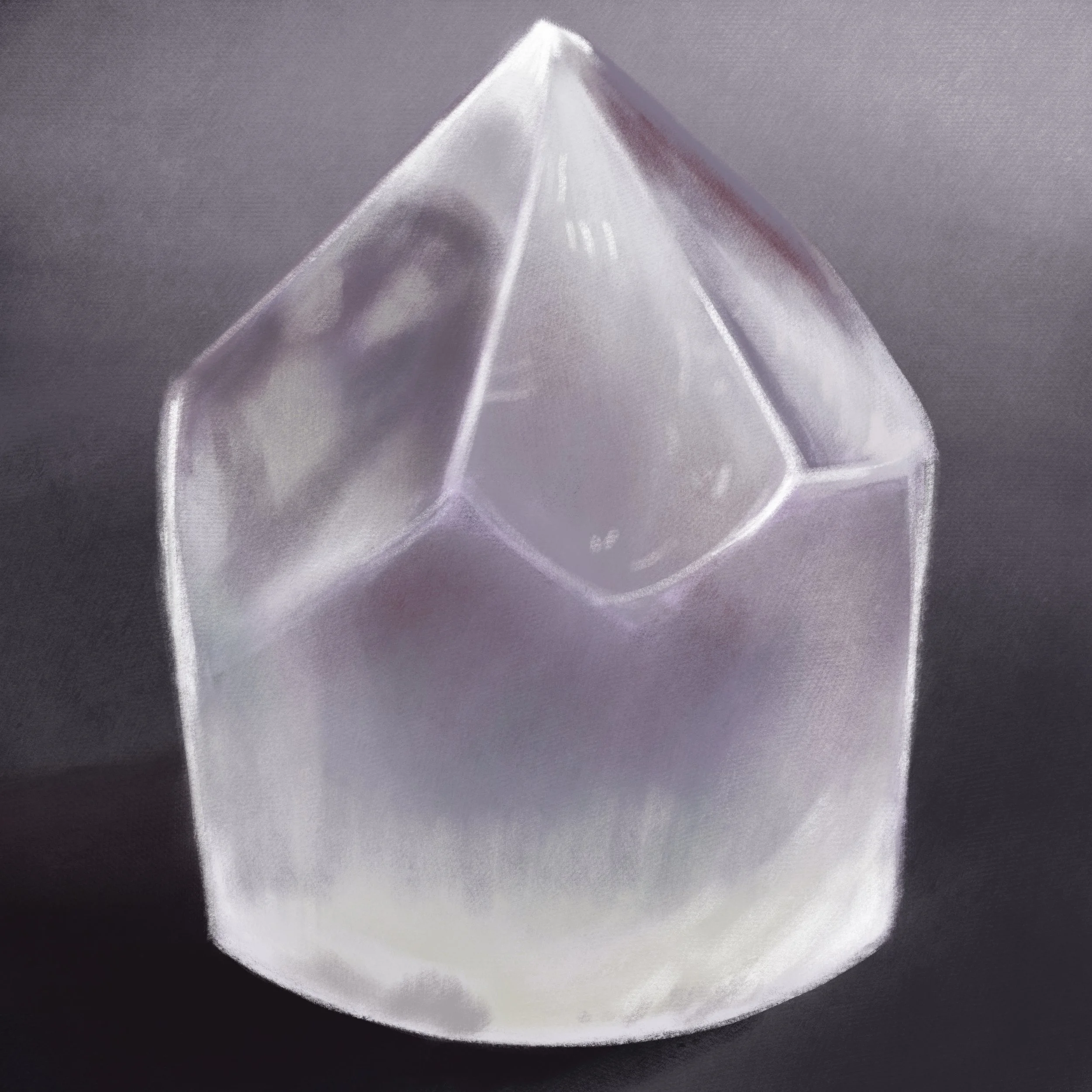
There’s something really beautiful about the way light bounces off aluminum, especially the aluminum of a LaCroix can. You can see more of the actual metal than you might on something like a Coke can. The printing almost feels transparent in places, so the aluminum itself comes through. Light just dances across it.
But what I really want to talk about today isn’t the LaCroix.
It’s the ugly part.
While I was painting this, I felt something more strongly than I have during any of the other studies I’ve done here. There’s a point in the painting where the whole thing is just fucking ugly.
And the confusing part is that you’re actually doing everything right.
That’s one of the strange things about observational painting, especially when you’re doing color studies. So much of color is about context. You might be painting a beautiful reflection on the aluminum, but if you haven’t painted the top of the can yet, or the tab, or the hole where you drink out of it, that beautiful reflection doesn’t necessarily look beautiful anymore.
It doesn’t have anything to relate to.
The individual pieces don’t make sense until the whole picture starts coming together.
And I think there’s something really profound about that.
Because there’s a point in almost any endeavor where you’re doing the right things, but you don’t have enough context yet to see that you’re doing the right things.
And that’s where you start second-guessing yourself.
Am I doing this right?
Did I make the right decision?
Do I actually have the skills to do this?
Maybe this isn’t working.
And I think that kind of skepticism can pull you out of the moment.
Instead of listening to your intuition and continuing to do the work, you start watching yourself do the work. You start analyzing every decision. You start wondering whether you’re supposed to be here at all.
And that’s the point where fear can take over.
But if you can get through that part—if you can let go of the need to know whether you’re doing it right—you get to something else.
Trust.
And after trust, flow.
Your senses sharpen. You start seeing the colors more clearly. You start noticing subtle differences you couldn’t see before. You stop trying to force the painting into existence and start responding to what is actually in front of you.
And I think this happens in everything.
Basketball. Boxing. Writing. Painting. Building a business. Learning an instrument. Really anything you care enough about to become good at.
There’s going to be a part where your work doesn’t have context yet.
It doesn’t look good.
Nobody understands it.
Maybe nobody is paying attention.
Maybe even you don’t fully understand it.
And I think that’s where a lot of people give up.
We tend to frame our passions around the moments when we arrive. We imagine the finished painting. The championship. The book on the shelf. The followers. The abundance. The paycheck.
We imagine the destination.
But we don’t always prepare ourselves for the part where we’re standing in the middle of the fucking mess.
The part where we’re not sure.
The part where our work looks ugly.
The part where we’re putting pieces into place without being able to see the final picture yet.
Maybe that’s actually where the strength is built.
Maybe the practice isn’t just about learning how to paint an aluminum can.
Maybe these studies are a meditation on getting through the uncomfortable part without abandoning yourself.
Learning to tolerate ambiguity.
Learning to trust your intuition when you don’t have enough evidence yet.
Learning to keep going when the picture hasn’t come together.
Because eventually, if you stay with it, the context arrives.
The pieces start talking to each other.
And suddenly, what looked ugly ten minutes ago makes sense.
So maybe that’s what I’m practicing here.
Not just painting.
Persevering.
Having patience with the part of the process where I can’t yet see what it’s going to become.
Maybe you can practice that, too.